Furnishing Ideas
The Executive Desk Chair: Why It Deserves a Place Beyond Basic Ergonomics
May
Walk into any well-appointed office and one object commands the room before a single word is spoken. It is not the desk, the artwork, or the view. It is the chair behind the desk.
The modern workplace has spent years championing the ergonomic chair. Mesh backs, lumbar dials, and synchro-tilt mechanisms have become the baseline for comfort. They are sensible, clinical, and designed to fade into the background while you work. But for those who view an office as an extension of their personal taste and professional stature, the standard ergonomic chair often falls short. It solves a physical problem without addressing a visual one.
This is where the executive desk chair makes its entrance.
Presence Over Practicality
An ergonomic chair asks to be forgotten. It is built for eight hours of invisible support. An executive chair, by contrast, asks to be noticed. It carries weight in a room, not just physically, but aesthetically. The difference is the same as that between a reliable sedan and a hand-finished touring car. Both will get you to your destination. Only one announces that you have arrived.
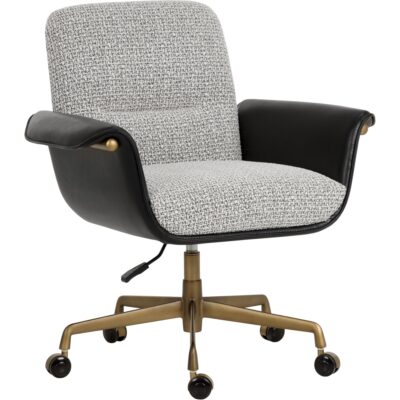
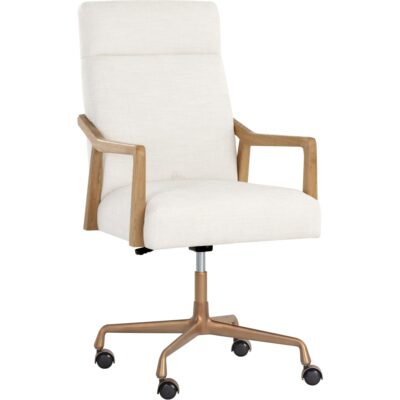
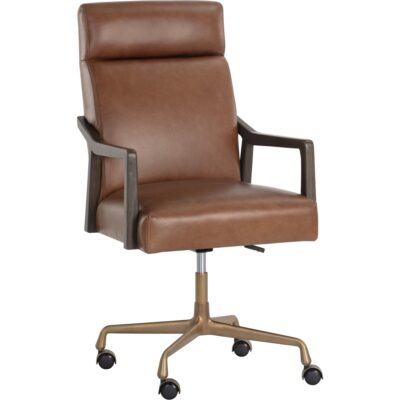
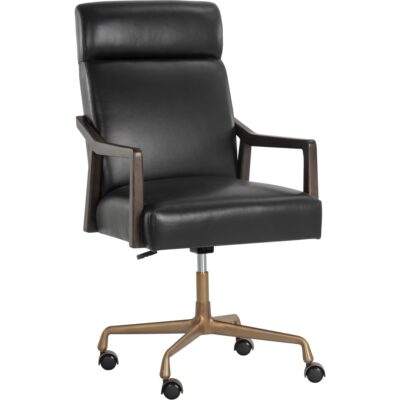
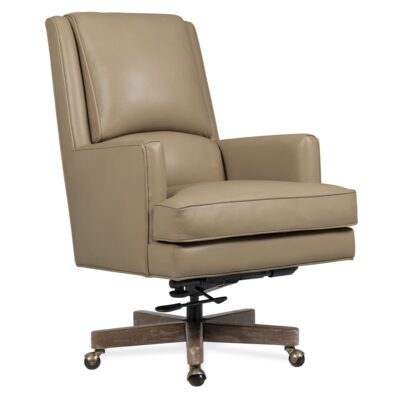
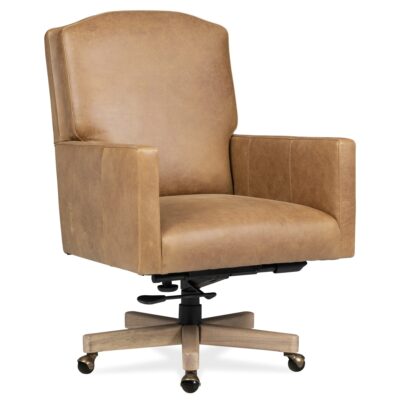
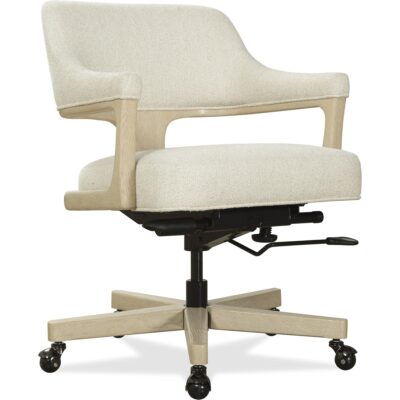
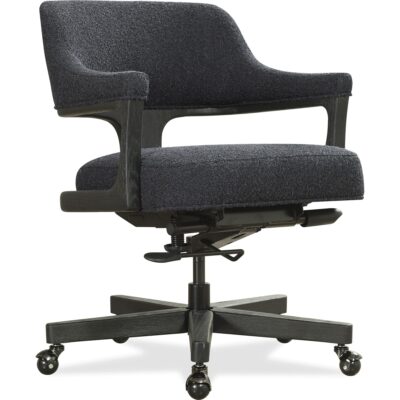
The silhouette of a high-back executive chair in rich leather or velvet, framed by walnut or brushed brass, creates an immediate focal point. It signals permanence. While the standard office chair suggests transience (a hot-desking culture where no one truly settles), the executive chair suggests a space that belongs to someone. It is the furniture equivalent of a signature.
Materials That Speak
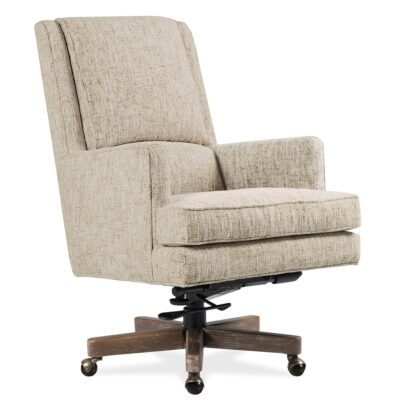
Standard ergonomic chairs lean heavily on synthetics. Breathable mesh, molded plastics, and standardized foams are excellent for ventilation and cost, but they rarely inspire desire. The executive chair draws from a different vocabulary entirely.
Think of full-grain leather that develops a patina unique to its owner. Solid wood armrests that warm to the touch. Hand-stitched detailing that catches the afternoon light. These materials age with dignity rather than wearing out. They transform a chair from a piece of equipment into an heirloom-quality object.
At Luxury Interiors, we have always believed that material honesty matters. A chair upholstered in genuine leather or finished in real wood tells a story that no molded polymer can replicate. It speaks to investment, discernment, and an appreciation for craft over convenience.
The Psychology of the Seat
There is a subtle psychology to seating, particularly in professional environments. An executive chair does more than support the body; it frames the person sitting in it. The proportions are different: a higher back, a deeper seat, a more deliberate stance. These details create an aura of authority without aggression.
Clients and colleagues register this, often unconsciously. A beautifully designed executive chair communicates that the person behind the desk takes their environment seriously. It suggests someone who curates rather than accumulates. In an era where so much of work happens through screens, the physical objects we choose for our spaces carry even more communicative weight.
Ergonomics and Elegance Are Not Opposites
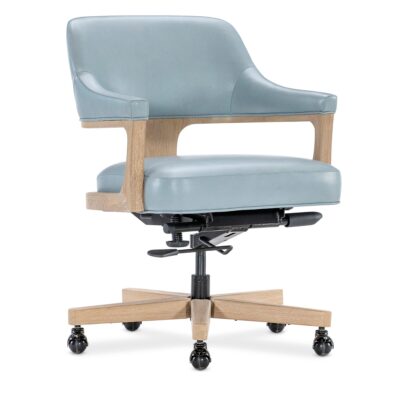
A common misconception is that one must choose between comfort and style. The best executive chairs disprove this entirely. Modern craftsmanship allows for advanced ergonomic features (lumbar support, tilt tension, seat depth adjustment) to be integrated seamlessly into a luxurious design. The difference is that these features are concealed rather than advertised.
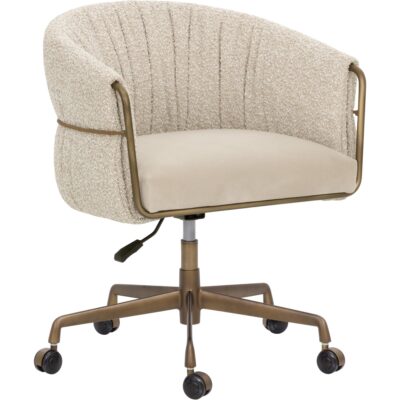
The adjustment levers are finished in matching metal. The lumbar support is built into the curve of the frame rather than bolted on as an afterthought. The result is a chair that feels as good as it looks, and looks as considered as it feels. You do not sacrifice your spine for your sensibility. You simply refuse to accept that the two cannot coexist.
An Investment in Identity
The standard ergonomic chair is a commodity. It is purchased, used, and eventually replaced with a newer model offering slightly better lumbar support. The executive chair is an investment. It is chosen with intention, maintained with care, and often outlasts the desk it sits beside.
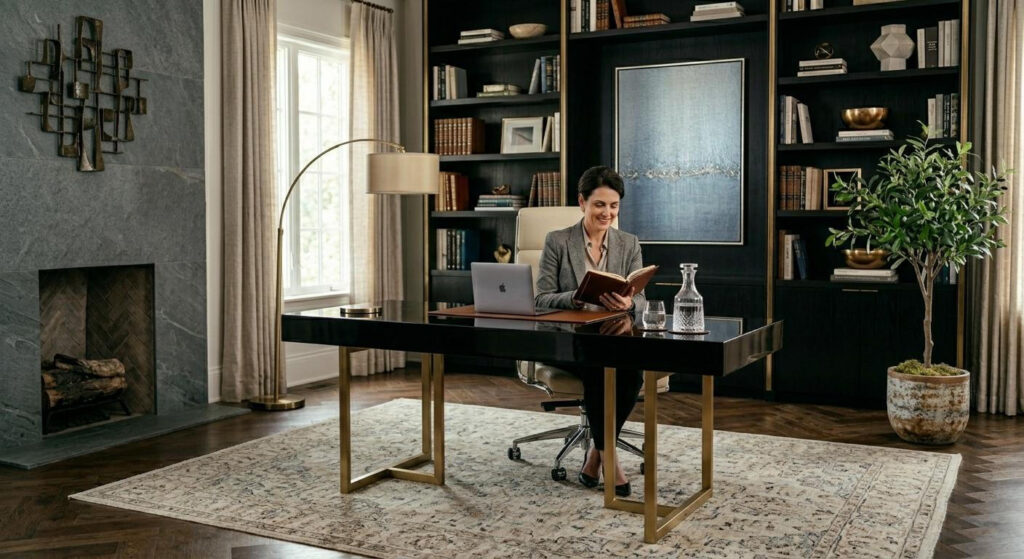
For a home office, this distinction matters even more. As remote and hybrid work reshape how we live, the home office is no longer a tucked-away utility space. It is a room that guests see, a backdrop for video calls, and a daily environment that influences mood and productivity. A generic chair in such a space is a missed opportunity. An executive chair elevates the entire room, tying together the desk, the lighting, and the architecture into a cohesive statement.
Choosing Your Statement
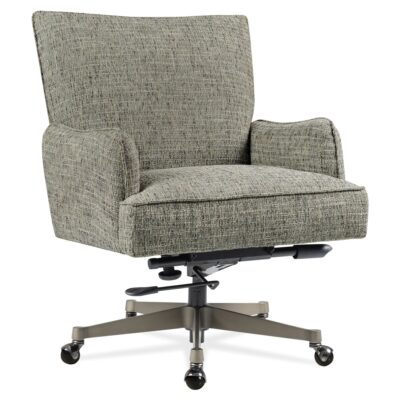
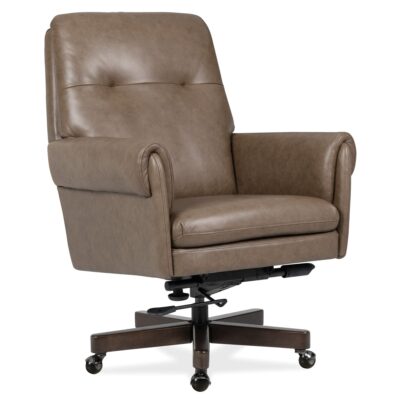
Not every executive chair suits every space. The key is coherence. A mid-century modern office calls for clean lines and tapered wooden arms. A traditional study demands tufted leather and nailhead trim. A contemporary loft might pair best with something sculptural in suede or a bold, monolithic form.
The statement you make should be authentic to your taste. The goal is not to project an image borrowed from a boardroom stereotype. It is to select a chair that feels inevitable in your space, as though the room was designed around it.
Final Thought
The chair you choose for your desk is the one piece of furniture in your office that you touch, feel, and rely upon for hours each day. It should earn its place in the room. While the ergonomic chair offers a solution to sitting, the executive desk chair offers a solution to presence. It reminds you, and everyone who enters your space, that how you work matters, but where you work matters just as much.
For those who believe that interiors should reflect the caliber of the life lived within them, the choice is clear. Sit well, and sit with intention.